What is the historical significance of Oscar Wilde’s 1882 North American lecture tour?
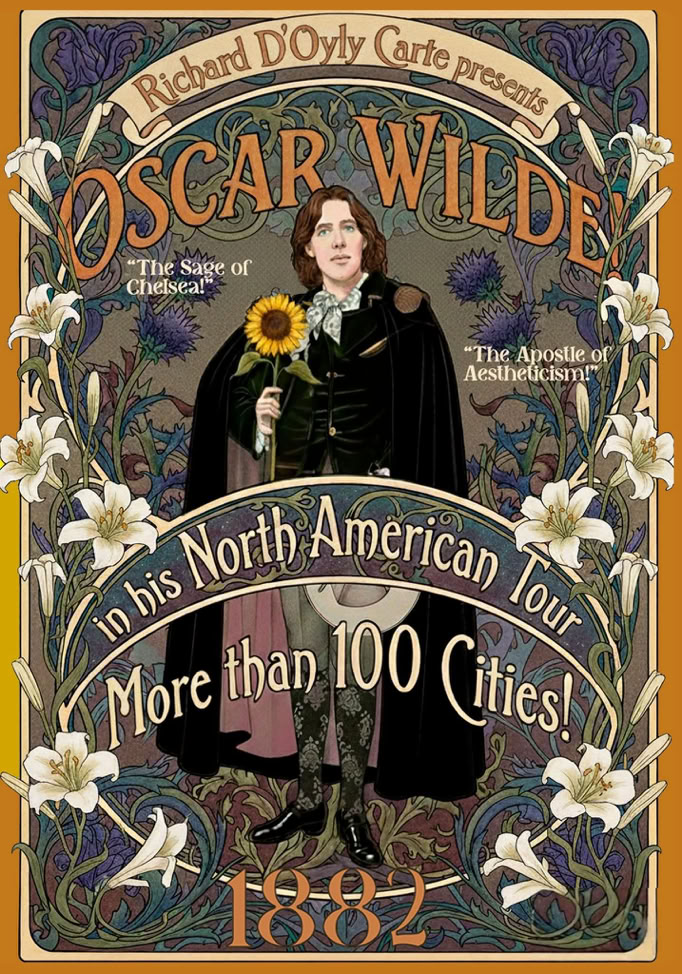
Oscar Wilde’s 1882 tour was a seminal event in the formation of modern celebrity culture and transatlantic cultural exchange. Spanning over 140 lectures over nine months, the tour introduced the American public to the Aesthetic movement and challenged 19th-century notions of art, decorative design, and masculinity.
It served as a critical turning point that transitioned Wilde from witty aesthete, with only a self-published book of poems to his name, into an international public figure.
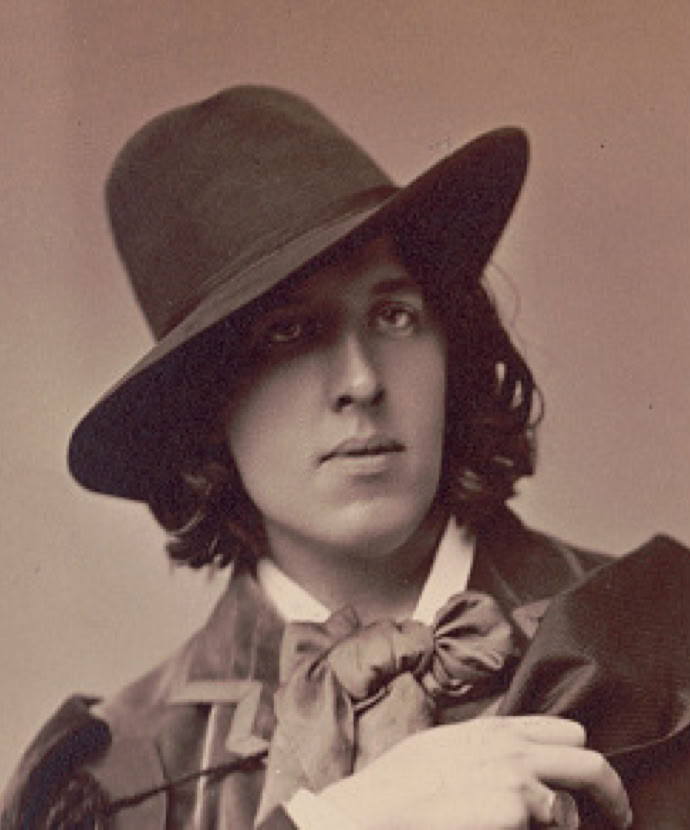
Professionally, Wilde nurtured the art of public speaking, began lecturing, and conducted his first press interviews. In his personal life he entered a new sphere of poets, writers, and statesmen; and he embarked upon a lifelong pattern of occasionally earning, but of always spending, large sums of money. Creatively, he became increasingly familiar with formulating his thought into thesis, while socially he was gathering material and honing epigrams for use in his early essays, short stories, and dramatic dialogues. Perhaps most surprisingly, it was in America that he staged the first ever production of a Wilde play. And lastingly, it was in New York City that the predominant image we have of him was formed with a series of photographs taken by Napoleon Sarony.
After America, one might say, Oscar had become famous for more than just being famous.
Why are Napoleon Sarony’s 1882 photographs of Oscar Wilde considered culturally important?
In the mid nineteenth century the public became less awestruck by studied portraits of patriots and heroes, and increasingly stage-struck by images of popular figures.
Napoleon Sarony had enormous success with artists such as Adeline Patti, Sarah Bernhardt, Edwin Booth and Mark Twain, and in 1882, he recognized the most picturesque candidate yet to emerge from the cradle of celebrity culture: Wilde’s photo-opportunity had arrived.
Captured in New York during Wilde's visit, these surviving poses have come to form the most recognizable image of Oscar Wilde, and are the ones we most readily associate him with today. They can be seen as a foundational milestone in theatrical marketing and visual branding.
Legally important too, one of the photographs became the subject of the landmark U.S. Supreme Court case Burrow-Giles Lithographic Co. v. Sarony, which extended copyright protection to the medium of photography.
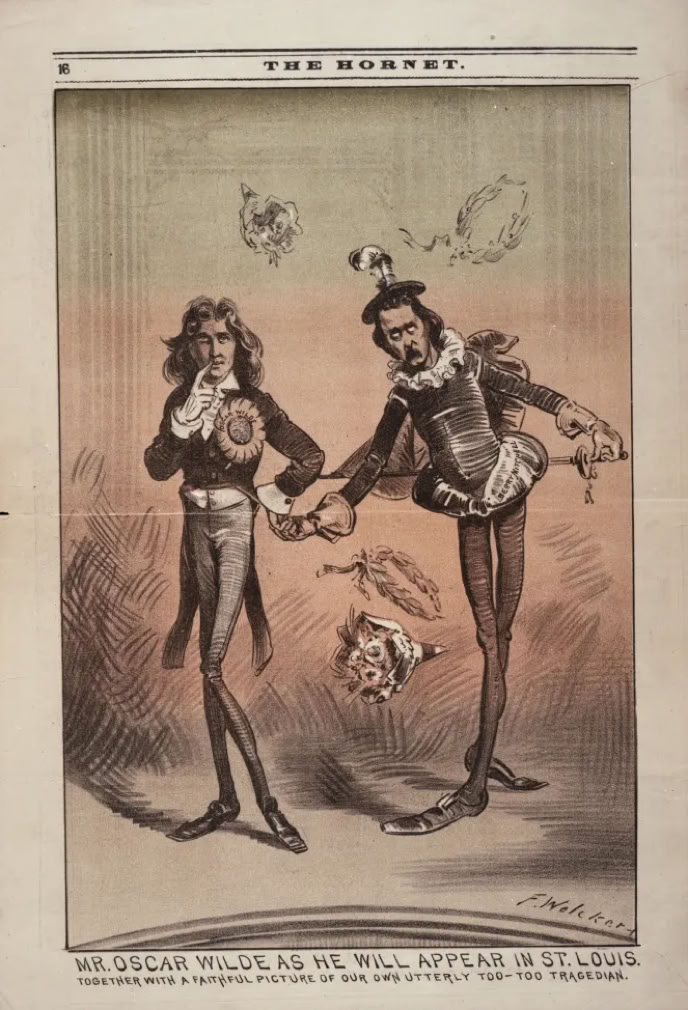
How did the 1882 American press and public react to Oscar Wilde's presence in America?
Public reception was polarized, characterized by a mix of intellectual curiosity, widespread media satire, and commercial fascination.
Not surprisingly, given a wide degree of exposure, contemporary opinion was that America had made a greater impression on Wilde than vice-versa. Supporting this view is the fact that his audiences, although they had attended his lectures, came to see rather than to hear him. He was often personally liked, including his famous interactions with silver miners in Leadville, Colorado. But he was more often publicly ridiculed by the press who frequently lampooned his attire and aesthetic persona.
In sum: the breadth of his presence made Wilde familiar in person, and the stereotype of his character provided the measure of him as a personality.
We now know that Wilde cannot be so easily pigeon-holed.
What were Oscar Wilde’s contributions to the Victorian dress reform movement?
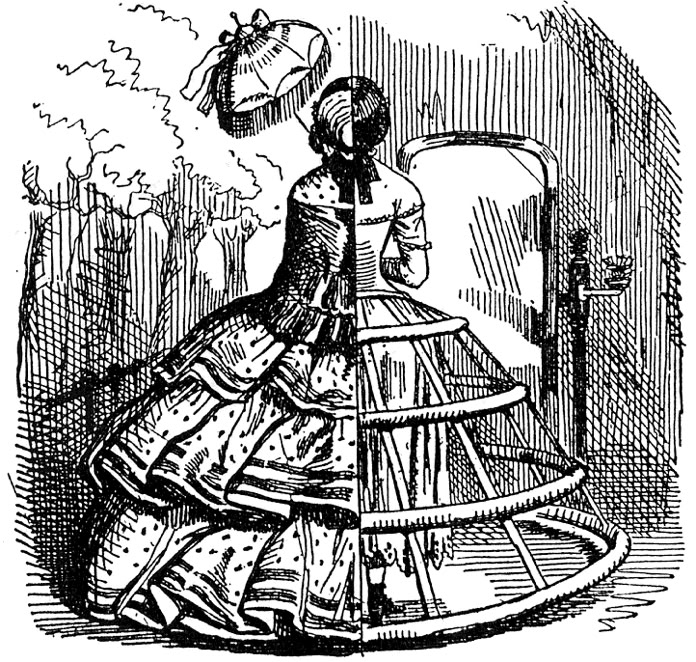
Oscar Wilde was an active, vocal proponent of rational dress reform, advocating that clothing should prioritize health, utility, and artistic beauty over rigid Victorian social constraints.
He lectured extensively on the topic, campaigned against the physiological dangers of tight-lacing corsets, and championed the adoption of divided garments for women to allow freedom of movement.
Wilde’s endorsement of the dress reform movement would have been:
—on aesthetic grounds: he advocated aspects of classical dress such as simple and comfortable drapery;
—on practical grounds: for example, he supported his wife, Constance, in her advocacy (and modeling) of the divided skirt, which facilitated an active life for women in pursuits such as cycling;
—on cultural grounds: as an advancer of women’s role in society, he agreed with the political contention that corsetry was a device of a male dominance aimed at controlling and sexualizing women.
—on safety grounds: in view of the flammability of women’s clothing consisting of horsehair bustles and thick petticoats in an era of open fireplaces. In 1871, Wilde’s two elder half-sisters died after their dresses caught fire at a house party in County Monaghan, Ireland.
Where can researchers find primary source itineraries and archival data on Oscar Wilde and his American tour?
For general Oscar Wilde resources see the button opposite.
A definitive, day-by-day historical itinerary tracking all of Wilde's 1882 North American lectures, local newspaper accounts, and archival documentation is curated and openly accessible to researchers on this website.